Stephie Estie

  • HOME
  • ABOUT
  • CONTACT
  • FEATURED

My Current Favorite Exfoliators!

July 8, 2014

Exfoliating is a great and easy way to achieve a healthy complexion and to improve texture of skin.  Here are some exfoliators that have found their way (and stayed!) in my skincare routine.

exfolikate

Sephora, $85; travel-size, $22

Kate Somerville Exfolikate Intensive Exfoliating Treatment

One of my favorite products that I find myself repurchasing every so often, this exfoliant is truly intense.  As soon as you apply it, you immediately feel a tingly sensation and can feel your blood circulating thanks to the cinnamon, acids and enzymes found in here.  I definitely have a glow after using it and my complexion feels (and looks) super soft.  I tend to pick up the travel sized version of this at Sephora since it’s more wallet friendly and the tube lasts a good 3-4 months.

*For sensitive skin, there is Kate Somerville Exfolikate Gentle Exfoliating Treatment

daily micro

Ulta, $52

Dermalogica Daily Microfoliant

I was introduced to this product in esthetic school and while it took me a while to warm up to it, once I learned how to correctly use it, I love it.  First of all, this product is a rice-based powder that requires water to activate.  You dispense a little bit of product onto wet hands and rub them together to form what becomes a creamy paste.  Once you create the paste, you massage it over your face, leave it on for about a minute or so, and then rinse off.   What’s great about this gentle but effective scrub is that you can mix it in with your cleanser to get that ‘deep’ clean feel.

Note* Although the name says Daily Microfoliant, I would use this no more than 3x per day as it can be too drying.  Also, don’t leave this in your shower as you can end up with a clumpy mess.

bha serum

reneerouleau.com, $46.50


Renee Rouleau BHA Clarifying Serum, $46.50

A new favorite that has found its way into my skincare routine, this exfoliating serum is especially great if you have textural concerns.  I tend to get little whiteheads all over my forehead and this blend of lactic, salicylic and glycolic acid  has significantly reduced them-people have actually noticed the smoother complexion!  I stopped using it for a few weeks only to have the whiteheads develop again, so I know this particular product is what is making a difference.  Unlike the other exfoliants featured here, this one is unique in that you leave it on overnight.

gentle exfol

PCA Skin Representative/Dermstore.com, $25

PCA Skin Gentle Scrub, $25

If you have normal to dry skin and want something that is fragrance free, this would be an apt choice.  Round beads that are suspended in a creamy base of aloe vera leaf juice, glycolic acid and jojoba seed oil gently polish away dead skin cells.  Bonus:  The bottle is 7 oz.

What is your favorite exfoliator? 


CATEGORIES // Aging, Product Reviews, Skin Care

You Want Me To Use An Acid On My Face?

July 3, 2014

HA2

Back when I was taking my esthetics course, or beauty school as some may recognize it, we had a department open house in which people were welcome to stop by and learn about the services we provided.  We conducted a complimentary skin analysis and invited them to come back and experience a facial that would suit their skin needs. I remember one lady who asked me what I recommended for her combination skin to which I suggested a moisturizer or serum that contained hyaluronic acid.

The look of sheer horror she expressed followed by, “You want me to use an acid on my face?” is something I won’t forget.  I quickly explained that this ingredient was nothing like the battery acid found in a car or those in chemical peels but rather an excellent way to introduce hydration into the skin- she looked relieved.  Nevertheless, perhaps you’ve heard about this ingredient and thought the same thing so here’s the scoop on what makes this ingredient so coveted.

Who: Hyaluronic Acid (HA)

What it is: A glycosaminoglycan (GAG)/humectant that attracts moisture to your skin cells.  It increases the water content in the epidermis by drawing moisture from surrounding air.

Where it’s found: HA is a substance that is naturally found in our bodies.  It cushions and lubricates our joints, eyes and connective tissues.

Look for hyaluronic acid and sodium hyaluronate in skincare ingredients.  Popular fillers like Juvederm, Restylane and Perlane utilize HA as well.

Why it’s important:  As we age, our natural production of HA declines.  HA serves an important role in cell protection, lubrication and maintenance of connective tissue.  It also helps retain moisture  in skin since it can hold 1000 times its weight in water.  Think of it like a drink of water for your skin.  When your skin is dehydrated or dry, our complexion can look aged and feel tight.

How it affects the skin:  HA gives turgor and elasticity to the skin.  Increased water in the skin is the easiest way to reduce the appearance of wrinkles, by plumping up fine lines and wrinkles.  This leads to a more youthful appearance, making it a great anti-aging treatment.  Because it is not an oil, it is virtually ideal f for all skin types, including acne.

Hyaluronic acid doesn’t sound that bad now after all, right?  


CATEGORIES // Aging, Skin Care, Skin Care Ingredients

What's Aging You?

June 3, 2014

aging

69 year-old truck driver whose left side of the face was exposed to the sun for 28 years.


By at least our 30’s, if not sooner, many of us start reaching for products that can help delay the aging effect.  While aging is a natural part of life, if you’re seeing signs of premature wrinkles, take a look at this fact.  85% of skin aging is caused by how you live (i.e. sun exposure, pollution, unhealthy lifestyle). 

Aging can be classified into two types: intrinsic and extrinsic.  Intrinsic aging reflects genetic background and the passage of time; in other words, elements that are beyond our control.  Extrinsic aging (considered to be preventable) is brought about by environmental or external factors, including smoking, alcohol consumption, poor nutrition, and UV exposure.

Do you know which factor is responsible for expediting the aging process?

If you guessed the sun, you are correct (and have been reading my posts)!

By now you know the danger of excessive and unprotected UV exposure (skin cancer), but it also leads to photo-aging– a term used to describe the characteristic changes of  sun induced skin.

photo-age

Extrinsic, left; Intrinsic , right.

The image above depicts photo-aged skin (left) and chronological aged skin (right).  See the dramatic difference?

Let’s take a look at how structurally these two pictures differ.

Protected From UV Damage and Extrinsic Elements

When age is caused by intrinsic forces, the skin has a thinned, smooth, clear, almost transparent apperance.  There is also fine wrinkling, inelastic, saggy skin, increased dryness, slight flakiness, loss of underlying fat resulting in hollow cheeks and eye socket and a slowing of collagen and elastin production

Exposed To UV Damage and Other Extrinsic Elements 

Aging caused by this will culminate in a thickened epidermis resulting in rough, leathery skin, telangiectasia (dilated blood vessels), yellow, sallow coloration and age spots.  There is an increased risk of skin cancer and a degradation of collagen and elastin.

As you can see, how you will age is contingent on several factors, most of which are preventable.  Sunscreen is and will continue to be one of the most powerful products in your skin care arsenal.  The best news, it’s also the most cost effective!


CATEGORIES // Aging, Men's Skin Care, Skin Care

Why Squeaky Clean Can Be Mean

May 6, 2014

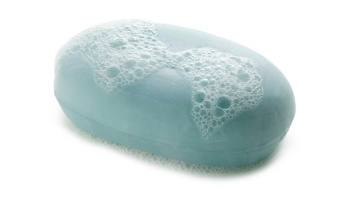
soap

At some point, whether it be morning, mid-afternoon, or evening- perhaps even all three- we walk ourselves over to the sink or shower to cleanse our face.  The accumulation of sebum, dirt and environmental pollution can leave our skin feeling grimy and we think that tight, squeaky clean feeling after cleansing means we have gotten rid of it all.  Often, the choice of said cleansing is soap, and well, why not? It’s convenient, fairly inexpensive, and if it’s tough enough to remove oil and dirt from our body, hey, why not extend its use to our face, right?

Wrong!

Aside from removing debris and oil, soap tends to remove the fats between the skin cells known as intercellular lipids. Our skin has what’s know as an internal cellular matrix,which is the lipid (fat) substance between cells that protect the cells from water loss and irritation.  Excessive removal of these lipids results in dry skin and skin disease.

Take a quick trip back to your chemistry class by glancing at pH (potential hydrogen) scale below.


pH scale


The pH scale measures the acidity or alkalinity of any substance that contains water and extends from 0 to 14, with 7 being neutral.  Anything below 7 is considered acidic and anything above 7 is alkaline. Soap also has a high pH level, 9-11, while the natural pH of skin can range from 4-6.  Since sebum and sweat create a barrier on the skin’s surface known as the acid mantle, this protects against certain forms of bacteria and other microorganisms.  Extreme variations in pH can damage the skin’s barrier functions and cause sensitivity, aging, dehydration, and can worsen skin conditions like eczema and psoriasis.  Also, highly alkaline solutions can form an insoluble film, leaving skin feeling dry, irritated and itchy.

Considering the information above and knowing the skin on our face is a lot more delicate than the skin on our body, using facial cleansers that are soap-free or pH balanced are best.

I hope this post was helpful in explaining why using soap to cleanse the face isn’t an ideal option.

Have a great Tuesday!


CATEGORIES // Cleansers, Men's Skin Care, Skin Care

To Shea!

March 10, 2014

shea butter

Suffering from eczema, psoriasis or dry skin?

Here is one topical ingredient that can improve and relieve symptoms associated with these skin conditions.

Who: Butyrospermum Parkii, or shea butter

What skin types/conditions it can help: Dry, aging, eczema and psoriasis               

Where it comes from: The nut of the karite tree which grows in Africa

Why it’s important: Rich in vitamins A and E (antioxidants) and vitamin F (an Essential Fatty Acid known as linoleic acid), shea butter protects the skin from free radicals, helps minimize the appearance of lines and wrinkles, and is a great emollient.  It also has soothing and nourishing properties

How it helps with dry, aging, eczema and psoriasis: Emollients maintain soft, smooth, pliable skin; remain on skin surface to act as a lubricant; reduce flaking; and improve appearance.  The soothing and nourishing aspects help repair the skin barrier.  Linoleic acid in skin care helps provide anti-inflammatory, moisturizing and healing support.

CATEGORIES // Skin Care Ingredients

The 'E' In Healthy Skin

March 4, 2014

Vitamin E

Dry and aging skin need not despair!  Vitamin E is excellent in smoothing away fine lines and wrinkles while keeping skin supple and providing a radiant glow.

Have oily skin? There is a silver lining to all that shine.

Read on to find out what vitamin E can do for you!

Who: Vitamin E

What skin conditions it can help: Aging.

Where it’s found: Foods high in vitamin E include vegetables, oils, seeds, corn, wheat germ and egg yolk.

For topical uses look for: Vitamin E, Tocopherol, Tocotrienols, Alpha-Tocopheryl Acetate, Tocopheryl Linoleate, Tocopheryl Succinate, Tocopheryl Nicotinate.

Why it’s important: Vitamin E is a fat-soluble vitamin, an antioxidant that quenches free radicals and is instrumental in wound healing.  It’s also the most abundant antioxidant found in human skin; however, it declines with exposure to UV rays, pollution and age.

How it affects the body and skin: Vitamin E is needed to prevent muscle weakness (atrophy), loss of muscle mass, abnormal eye movements, vision problems and unsteady walking.

Topical use of vitamin E smooths skin, prevents moisture loss (excellent for dry skin!), and can reach living cells, therefore increasing the effectiveness of sunscreen. Studies have shown it to reduce sunburn cells after UV exposure- but this isn’t a free pass to subject your skin to sunburns!

Vitamin E is naturally delivered to the skin’s surface through sebum (oil), providing nourishment for the skin, and could be a possible reason why oily skin types age better.  Combined use of vitamin E and vitamin C enhances these effects.

Have a favorite vitamin E product?  Do share!

Happy Tuesday!

Disclaimer: The contents on this website, and any related links, are provided for general informational purposes and should NOT be considered medical advice. The content is not intended to be a substitute for professional medical advice, diagnosis, or treatment. Never disregard professional medical advice or delay in seeking it because of something you have read here. Please consult a healthcare provider if you have any questions about a particular health condition.

CATEGORIES // Skin Care Ingredients

  • « Previous Page
  • 1
  • 2

Subscribe to Stephie Estie via Email

Enter your email address to subscribe to this blog and receive notifications of new posts by email.

MEET THE BLOGGER

MEET THE BLOGGER
  • Bloglovin
  • Facebook
  • Instagram
  • Pinterest
  • Twitter

LOOKING FOR SOMETHING?

CATEGORIES

  • Advanced Education
  • Aging
  • Hair
  • Makeup
  • Makeup Looks
  • Men's Skin Care
  • Monthly Favorites
  • Motivational
  • Nutrition/Skin
  • Personal
  • Product Reviews
  • Product Reviews: Make-Up
  • Self-Care
  • Skin Cancer
  • Skin Care
  • Skin Care Ingredients
  • Skin Tips
  • Skin Treatments
  • Subscription Boxes
  • Sunscreen
  • Uncategorized
  • UVR
  • Wellness

ARCHIVES

POPULAR POSTS

Native Deodorant Review!

Native Deodorant Review!

Fenty Beauty Gloss Bomb Review!

Fenty Beauty Gloss Bomb Review!

Merry Christmas 2017!

Merry Christmas 2017!

Christmas Gift Guide 2017!

Christmas Gift Guide 2017!

Facebook Page

Facebook Page

Follow me on Twitter

My Tweets
This error message is only visible to WordPress admins

Error: No feed found.

Please go to the Instagram Feed settings page to create a feed.

- THEME BY ECLAIR DESIGNS -