Stephie Estie

  • HOME
  • ABOUT
  • CONTACT
  • FEATURED

Needles For Aging Skin?

September 23, 2014

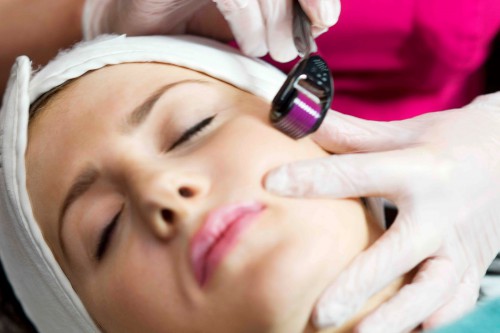
microneedle

One of my readers asked me about micro needling so here’s the breakdown on this popular anti-aging process.

About Skin Needling

Skin needling, also referred to as microneedling or collagen induction therapy, is the use of multiple needles at one time on a set gauge or length that is either rolled or stamped onto the skin.  Originally recognized as a method to repair scars in 1995 by Norman Orentreich, MD, and David S. Orentreich, MD, it was Des Fernandes, MD, who introduced skin needling as a skin rejuvenation method.

Different needle lengths will yield different results.  For example, shorter needles will increase product penetration and stimulate collagen production while longer needles may be used to treat deeper wrinkles and scarring.

How it Works

Skin needling is based on the premise of a controlled wound response than in turn stimulates collagen production.   Basically, anytime your skin is injured, it begins a process of wound healing that is followed by the production of new collagen and elastin.  In skin needling, the needles create tiny ‘injuries’ that prompt this wound healing process.

Skin needling treatments will also be followed by applications of, but not limited to vitamin C, retinoids, peptides and/or hydroxy based exfoliants.  Whereas microdermabrasion or chemical peels drive ingredients further into the skin by removing a layer(s) of skin, skin needling does the same without removing the top layer of skin.

Who’s A Good Candidate?

Most skin types and conditions can benefit from this treatment but may not be suited for skin that is sensitive or inflamed.  Skin needling is used for fine lines, wrinkles, acne scarring, hyperpigmentation and stretch marks.  Treatments can be tailored according to skin types and conditions by changing the device, needle depth and frequency of treatments.

 Things to Consider

A series of treatments are needed to achieve optimum results.

Treatments can range from $200-$500 per treatment.

The longer the needle is, this risk for infection increases; therefore follow your physicians instructions.

Procedures like these are usually performed in a medical office or medical spa- make sure the person performing the treatment is qualified and that he/she wears gloves at all times.

Although a topical numbing cream will be used prior to treatment, expect some discomfort.

Bottom Line: Skin needling is just one of many anti-aging options available that can generate great results. However, always do your research and consult with a professional to determine what works best for you.

I hope this article is helpful and if you have any questions, feel free to ask.

*Note: Although I love DIY treatments, this treatment is best left to professionals.  Doing this yourself can cause damage and lead to severe infections.   


CATEGORIES // Aging, Skin Care, Skin Treatments

Can We Reach Pore-fection?

September 18, 2014

Aside from anti-aging, pore size seems to be a huge complaint from customers.

A study conducted by L’Oreal Paris revealed that roughly “45% of women wish they could change the size of their pores and            almost one in three women  (28%) are more concerned about  their pore size than wrinkles.”

With so many products out there that claim to shrink or eliminate your pores, how do we know what works?  Let’s take a closer look at what a pore really is.

What is a pore?

A pore is a small opening in the skin that allows oil to reach the surface.  On average, an adult has five million pores on their body with approximately 20,000 on their face alone.   Without pores, our skin would be dry and cracked since oil produced in the sebaceous glands travel up the pore to the skin’s surface and naturally moisturize the skin.

How is pore size determined?

For the most part, pore size is determined by genetics and generally speaking, is most prevalent in men.  However, oil, dirt, dead skin cells and our lifestyle can impact pore size.  For example, avid sun worshipers often see an increase in pore size because the sun’s UV rays breakdown and weaken the skin’s elasticity; the same can apply to aging skin.  Oily skin types typically have an excessive accumulation of dirt, oil and dead skin cells, leading to large, visible pores and in some cases acne.

How to minimize pore appearance

Since you can’t get ‘rid’ of pores (and really, you don’t want to as they flush out toxins and help regulate temperature) here’s a couple of suggestions to help reduce their appearance.   

  • Thoroughly cleanse skin daily
  • Regular exfoliation with either enzymes or hydroxy acids (i.e. glycolic, lactic, or salicylic)
  • Those with oily skin types can benefit from using clay-based masks (look for kaolin or bentonite) about 2x/week
  • Limit excessive sun exposure and always wear SPF
  • Make sure you are using the correct skincare products/makeup for your skin type- makeup primers can help reduce pore appearance
  • Consult with a dermatologist and/or esthetician for other options such as chemical peels
  • Avoid pore strips as in the long run can stretch out skin even more

Questions? Comments? Have a pore-minimizing product you love? Do share!

CATEGORIES // Aging, Men's Skin Care, Skin Care

The Beauty in Sleep!

September 2, 2014

sleeping beauty

What’s one thing college students, new parents, teenagers and more than half of the American population have in common?

Sleep deprivation.

As important as it is to get enough sleep, a study conducted by the National Sleep Foundation in 2002 concluded that “74% of American adults experience a sleeping problem a few nights a week or more and 39% get less than seven hours of sleep each weeknight.”  Recently, The American Academy of Pediatrics issued a statement suggesting an 8:30 a.m. or later school start time for middle and high school students and with good reason.

Research has shown that young people who don’t get enough sleep are more likely to suffer depression, be involved in car accidents and have lower test scores.   Lack of sleep is also a risk factor for weight gain and can disrupt the body’s regulation of blood sugar.  An increase in stress-hormone levels contribute to an elevated rise in blood pressure and promote inflammatory changes associated with chronic disease, including heart disease and diabetes.

Much More Than Just A Phrase

We’ve all heard about needing our ‘beauty sleep’ but it turns out this phrase isn’t just superficial-it can accelerate the aging process!  On a visual level, not receiving the crucial shut-eye results in a dull complexion because when you are tired, blood doesn’t flow efficiently; fine lines also appear more prominent.  On a deeper level, your skin, as well as your whole body, transitions into repair mode when you sleep.  New skin cells grow and replace older cells.  An increase in inflammatory cells in the body lead to a breakdown in collagen and hyaluronic acid, both of which assist in giving skin it’s glow, bounce and translucency.

A Look at ‘Beauty Sleep’ by the Hour

Perhaps Charles Perrault’s tale The Sleeping Beauty in the Woods was inadvertently on to something, except let’s replace the 100 years with the recommended 7-9 hours of sleep per night. (Yet another example of how I love to tie beauty and literature together!)

Hours 1-3: The deepest sleep of the night, your body produces the most human growth hormone- critical to skin and hair repair.

Hours 4-5: Deep sleep shortens and rapid eye movement (REM) sleep begins. There’s also an increase in melatonin, a hormone with potent antioxidant properties to combat oxidative stress.

Hours 6-8: This is when you get the most REM sleep. Your skin’s temperature reaches its lowest point, enabling muscles to relax and allowing skin its deepest recovery.

Solutions to Promote Better Sleep

Sometimes sleep doesn’t come easily so if you have trouble sleeping, try these suggestions.

  • Schedule your bedtime and your wake-up time according to the number of hours of sleep you need.
  • About an hour or more before bedtime, stop phone calls and watching television and read or listen to music instead.
  • Try aromatherapy (my favorite!).  Lavender, neroli and sandalwood essential oils can relax and promote a restful sleep.  Fill half of a mini spray bottle with water, mix in your relaxing essential oil of choice and lightly spritz onto your sheets and/or pillow.
  • Learning to manage your stress or keep it under control will in turn yield to a more restful sleep. Breathing techniques, exercise, a spa visit and regular massages can keep stress in check.

Hope you all had a lovely weekend. What helps you catch more Zzzzz’s? 


Disclaimer: The contents on this website, and any related links, are provided for general informational purposes and should NOT be considered medical advice. The content is not intended to be a substitute for professional medical advice, diagnosis, or treatment. Never disregard professional medical advice or delay in seeking it because of something you have read here. Please consult a healthcare provider if you have any questions about a particular health condition. 


CATEGORIES // Aging, Skin Care, Sleep

Beauty And The Oils

August 19, 2014

Oils have been around since…well, forever but recently the beauty industry has seen their resurgence.  It almost seems like there is a new ‘beauty’ oil discovered every week, each superseding the one before.  From kitchen pantry and health food stores to the beauty aisle, the following oils are lauded as the ultimate ingredient for your face, body, hair and/or nails.

Argan-Oils

Argan  (Argania Spinosa Kernel Oil)

Pressed from nuts found in argan trees-exclusive only in Morroco- argan oil is rich in polyunsaturated fatty acids including linoleic acid, omega-6, which helps in maintaining the lipid barrier in skin and natural tocopherols (vitamin E).  It nourishes, regenerates and protects the skin.

In hair, it adds moisture to dry hair, calms frizzy ends and can help with a dry scalp.

coconut_oil

Coconut (Cocos Nucifera  (Coconut) Oil)

A staple in tropical regions of the world, coconut oil moisturizes, strengthens connective tissues, provides antibacterial properties through lauric acid, nourishes and heals.  I think it’s important to note that although coconut oil has anti-bacterial properties and some people claim it’s a great treatment for acne, use caution.  Those who suffer from acne may find it feels too heavy, clogging pores and potentially leading to more breakouts.

In regards to hair, coconut oil can penetrate better than other oils and therefore is commonly used as a deep conditioner (or found in conditioning products).

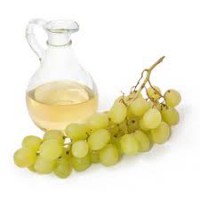
grapeseed

Grapeseed (Vitis Vinifera (Grape) Seed Oil)

Extracted from the seeds of grapes, this is rich in linoleic acid and acts as an emollient and antioxidant (high in vitamin E).  Linoleic acid is an unsaturated EFA that is found in skin lipids like ceramides and cholesterol which protects the skin barrier function, prevents the drying of  skin and soothes.  It’s ideal for massage oil since it glides well on skin.

jojoba oil

Jojoba (Simmondsia Chinensis (Jojoba) Seed Oil)

From the  jojoba plant and known for resembling sebum (oil found on your face), jojoba oil moisturizes, reconditions the skin and provides barrier potection. Interestingly, jojoba oil is thought to balance oil production which could be great news for people with oily skin.  The tocopherol content provides excellent antioxidant activity. *Note: Sometimes only small amounts are needed to reap the benefits so tread lightly if you apply the oil straight to your face.  It might be best for those with oily skin to look for skincare products formulated with this ingredient instead.

OLIVEOIL

Olive (Olea Europaea (Olive) Fruit Oil)

Olive oil is rich in vitamin E and antioxidants which help repair and renew skin from oxidative stress, soothes inflammation, smoothes the skin and helps maintain skin elasticity.

In hair, olive oil doubles both as a deep conditioner and dandruff controller, and when rubbed on nails, it helps cuticles stay plump and hydrated while producing a natural shine.

sunflower

Sunflower (Helianthus Annuus (Sunflower) Seed Oil)

Produced from sunflower seeds, sunflower oil replenishes and restores the skin with nourishing fatty and amino acids.  Amino acids supply nutrients to nourish the skin, which in turn strengthens connective tissue and keeps the skin smooth.  Sunflower oil also increases moisture retention (great for dry skin!) and provides natural barrier protection.


sweet almond

Sweet Almond Oil (Prunus Amygdalus Dulcis (Sweet Almond) Oil)

This oil contains high levels of oleic acid and unsaturated triglycerides provide moisture to skin that is easily absorbed into the skin. Oleic acid, found naturally in vegetable and animal oils, is high in unsaturated omega-9 fatty acids, providing emolliency and a soothing factor to skin.

In hair, it adds shine and purportedly controls hair fall.


Bottom Line: Although the benefits of these oils are superb, it may not work the same for everyone.  You may find that some oils dry out your hair instead of  smoothing them or they work wonders for your body but can wreck havoc on your face.  ‘Natural’ can be great but isn’t exempt from producing adverse reactions so use with caution.

Have you tried any of these oils?  What was your experience like? 

CATEGORIES // Aging, Skin Care, Skin Care Ingredients

Hands of Time

July 29, 2014

hourglass

“There are years that ask questions and years that answer.”

– Zora Neale Hurston, Their Eyes Were Watching God

This quote has stuck with me since my days as an undergrad English major, while taking a class in the Harlem Renaissance .  Albeit this quote was not aesthetically intended, my mind was always revolving around this concept, particularly on how it can tie into skincare.  How?  Simple.  Time will answer the question as to how well you took care of your skin.

Most of us spend so much time focusing on taking care of our face but forget about other telling signs: our hands, neck and décolleté,  These overlooked areas are also prone to sun spots, fine lines, wrinkles, discoloration and redness.  If you have inadvertently neglected these areas, here are some solutions to rectify these issues.

Sunscreen /Targeted Creams

Inarguably the least expensive and easiest to use is broad spectrum sunscreen.  When we are driving, UV rays penetrate the glass causing damage to our hands and décolleté leading to pigmentation later on.  Extending your sunscreen application to these areas (which we should already be doing anyway) will help.

Certain creams can also help with the appearance if sun damage is minimal.  PCA Skin Perfecting Neck and Décolleté and Revison Skincare Nectifirm are examples of great products to look into.

Microdermabrasion/Chemical Peels

Exfoliation treatments such as microdermabrasion and chemical peels can provide improvements in the color, tone and texture of treated areas and typically don’t require much downtime.

Other Options

For skin that has extensive damage, a visit to a dermatologist or plastic surgeon would suit best where they could perform IPL treatments, lasers (Fraxel, Active FX or Thermage), Botox or surgery, depending on the results you are looking for.

Remember that prevention is always the best rule to adhere to and will save you time and money in the long run. 


CATEGORIES // Aging, Skin Care, UVR

My Current Favorite Exfoliators!

July 8, 2014

Exfoliating is a great and easy way to achieve a healthy complexion and to improve texture of skin.  Here are some exfoliators that have found their way (and stayed!) in my skincare routine.

exfolikate

Sephora, $85; travel-size, $22

Kate Somerville Exfolikate Intensive Exfoliating Treatment

One of my favorite products that I find myself repurchasing every so often, this exfoliant is truly intense.  As soon as you apply it, you immediately feel a tingly sensation and can feel your blood circulating thanks to the cinnamon, acids and enzymes found in here.  I definitely have a glow after using it and my complexion feels (and looks) super soft.  I tend to pick up the travel sized version of this at Sephora since it’s more wallet friendly and the tube lasts a good 3-4 months.

*For sensitive skin, there is Kate Somerville Exfolikate Gentle Exfoliating Treatment

daily micro

Ulta, $52

Dermalogica Daily Microfoliant

I was introduced to this product in esthetic school and while it took me a while to warm up to it, once I learned how to correctly use it, I love it.  First of all, this product is a rice-based powder that requires water to activate.  You dispense a little bit of product onto wet hands and rub them together to form what becomes a creamy paste.  Once you create the paste, you massage it over your face, leave it on for about a minute or so, and then rinse off.   What’s great about this gentle but effective scrub is that you can mix it in with your cleanser to get that ‘deep’ clean feel.

Note* Although the name says Daily Microfoliant, I would use this no more than 3x per day as it can be too drying.  Also, don’t leave this in your shower as you can end up with a clumpy mess.

bha serum

reneerouleau.com, $46.50


Renee Rouleau BHA Clarifying Serum, $46.50

A new favorite that has found its way into my skincare routine, this exfoliating serum is especially great if you have textural concerns.  I tend to get little whiteheads all over my forehead and this blend of lactic, salicylic and glycolic acid  has significantly reduced them-people have actually noticed the smoother complexion!  I stopped using it for a few weeks only to have the whiteheads develop again, so I know this particular product is what is making a difference.  Unlike the other exfoliants featured here, this one is unique in that you leave it on overnight.

gentle exfol

PCA Skin Representative/Dermstore.com, $25

PCA Skin Gentle Scrub, $25

If you have normal to dry skin and want something that is fragrance free, this would be an apt choice.  Round beads that are suspended in a creamy base of aloe vera leaf juice, glycolic acid and jojoba seed oil gently polish away dead skin cells.  Bonus:  The bottle is 7 oz.

What is your favorite exfoliator? 


CATEGORIES // Aging, Product Reviews, Skin Care

You Want Me To Use An Acid On My Face?

July 3, 2014

HA2

Back when I was taking my esthetics course, or beauty school as some may recognize it, we had a department open house in which people were welcome to stop by and learn about the services we provided.  We conducted a complimentary skin analysis and invited them to come back and experience a facial that would suit their skin needs. I remember one lady who asked me what I recommended for her combination skin to which I suggested a moisturizer or serum that contained hyaluronic acid.

The look of sheer horror she expressed followed by, “You want me to use an acid on my face?” is something I won’t forget.  I quickly explained that this ingredient was nothing like the battery acid found in a car or those in chemical peels but rather an excellent way to introduce hydration into the skin- she looked relieved.  Nevertheless, perhaps you’ve heard about this ingredient and thought the same thing so here’s the scoop on what makes this ingredient so coveted.

Who: Hyaluronic Acid (HA)

What it is: A glycosaminoglycan (GAG)/humectant that attracts moisture to your skin cells.  It increases the water content in the epidermis by drawing moisture from surrounding air.

Where it’s found: HA is a substance that is naturally found in our bodies.  It cushions and lubricates our joints, eyes and connective tissues.

Look for hyaluronic acid and sodium hyaluronate in skincare ingredients.  Popular fillers like Juvederm, Restylane and Perlane utilize HA as well.

Why it’s important:  As we age, our natural production of HA declines.  HA serves an important role in cell protection, lubrication and maintenance of connective tissue.  It also helps retain moisture  in skin since it can hold 1000 times its weight in water.  Think of it like a drink of water for your skin.  When your skin is dehydrated or dry, our complexion can look aged and feel tight.

How it affects the skin:  HA gives turgor and elasticity to the skin.  Increased water in the skin is the easiest way to reduce the appearance of wrinkles, by plumping up fine lines and wrinkles.  This leads to a more youthful appearance, making it a great anti-aging treatment.  Because it is not an oil, it is virtually ideal f for all skin types, including acne.

Hyaluronic acid doesn’t sound that bad now after all, right?  


CATEGORIES // Aging, Skin Care, Skin Care Ingredients

Father's Day Skincare Gift Ideas!

June 12, 2014

Men’s skincare is too often overlooked but can make a world of a difference-and a great Father’s Day present!  So weather you’re still looking for gift options or you’re a guy who wants to step up his skin health, take a glance at some of the options below!


JackBlack

$52; sephora.com; getjackblack.com

Jack Black Core Collection

I’ve purchased and gifted this set several times and it always seems to be a crowd-pleaser.  This trio includes a facial cleanser, shaving lotion and face moisturizer with broad spectrum SPF 20.  It’s fragrance and alcohol free and perfect for men who want a simplified routine.

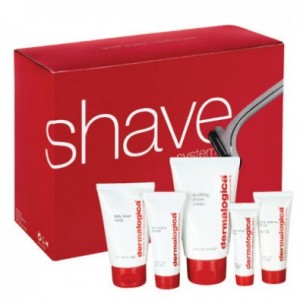
dermalogica

$38, ulta.com

Dermalogica Shave System

This shaving kit includes two shaving creams (Pre-Shave Guard and Soothing Shave Cream) which can be used alone or together to help soften the beard. Other items included in this kit are Daily Clean Scrub, an exfoliating cleanser which helps minimize ingrown hairs;  Post-Shave Balm, which helps control oil and reduces redness that can occur after shaving; and Daily Defense Block SPF 15 is a matte sunscreen.

PCA Skin

$22, dermstore.com/ PCA Skin Representative

PCA Skin Total Face Wash Face & Body Cleanser

A 2-in-1 product for men on the go!  This gentle foaming cleanser is formulated with lactic acid to exfoliate, moisturize, and help prevent ingrown hairs and also doubles as a body wash in one easy step.  Antioxidant vitamin E improves the barrier function of the skin; soothing aloe, allantoin, and  bisabolol help to calm skin; and tea tree oil provides antiseptic properties.

AL

$48, sephora.com; $56 ulta.com

Anthony Logistics For Men The Essential Traveler Kit

This kit features an array of products that are perfect for those who travel or for those who want to get a feel for the products.  The Glycolic Facial Cleanser exfoliates and loosens dead skin cells to achieve a closer shave; the Shave Cream calms the skin and includes anti-inflammatory and antiseptic effects; All Purpose Facial Moisturizer contains antioxidants vitamin C to brighten skin and vitamin E to help nourish skin; Invigorating Rush Hair + Body Wash incorporates Pro Vitamin B5 which promotes tissue healing in skin and helps to retain moisture ; Advanced Formula Lip Balm SPF 25 Mint and White Tea soothes, protects and conditions lips.


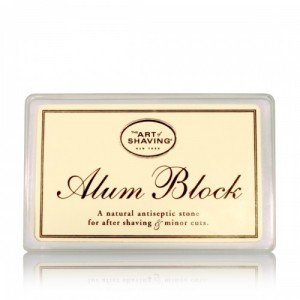
AOS Block

$20, sephora.com; theartofshaving.com

The Art Of Shaving Alum Block- Unscented

If you’re prone to nicks and cuts, this may be a product to check out.  The alum block helps stop bleeding from minor cuts and delivers antiseptic properties.

Have you tried any of these products?  What did you think of them? 

I am always looking for and researching new lines so if you have a skincare line you use and love, do share!  

CATEGORIES // Aging, Cleansers, Men's Skin Care, Self-Care, Skin Care, Sunscreen

What's Aging You?

June 3, 2014

aging

69 year-old truck driver whose left side of the face was exposed to the sun for 28 years.


By at least our 30’s, if not sooner, many of us start reaching for products that can help delay the aging effect.  While aging is a natural part of life, if you’re seeing signs of premature wrinkles, take a look at this fact.  85% of skin aging is caused by how you live (i.e. sun exposure, pollution, unhealthy lifestyle). 

Aging can be classified into two types: intrinsic and extrinsic.  Intrinsic aging reflects genetic background and the passage of time; in other words, elements that are beyond our control.  Extrinsic aging (considered to be preventable) is brought about by environmental or external factors, including smoking, alcohol consumption, poor nutrition, and UV exposure.

Do you know which factor is responsible for expediting the aging process?

If you guessed the sun, you are correct (and have been reading my posts)!

By now you know the danger of excessive and unprotected UV exposure (skin cancer), but it also leads to photo-aging– a term used to describe the characteristic changes of  sun induced skin.

photo-age

Extrinsic, left; Intrinsic , right.

The image above depicts photo-aged skin (left) and chronological aged skin (right).  See the dramatic difference?

Let’s take a look at how structurally these two pictures differ.

Protected From UV Damage and Extrinsic Elements

When age is caused by intrinsic forces, the skin has a thinned, smooth, clear, almost transparent apperance.  There is also fine wrinkling, inelastic, saggy skin, increased dryness, slight flakiness, loss of underlying fat resulting in hollow cheeks and eye socket and a slowing of collagen and elastin production

Exposed To UV Damage and Other Extrinsic Elements 

Aging caused by this will culminate in a thickened epidermis resulting in rough, leathery skin, telangiectasia (dilated blood vessels), yellow, sallow coloration and age spots.  There is an increased risk of skin cancer and a degradation of collagen and elastin.

As you can see, how you will age is contingent on several factors, most of which are preventable.  Sunscreen is and will continue to be one of the most powerful products in your skin care arsenal.  The best news, it’s also the most cost effective!


CATEGORIES // Aging, Men's Skin Care, Skin Care

  • « Previous Page
  • 1
  • 2
  • 3

Subscribe to Stephie Estie via Email

Enter your email address to subscribe to this blog and receive notifications of new posts by email.

MEET THE BLOGGER

MEET THE BLOGGER
  • Bloglovin
  • Facebook
  • Instagram
  • Pinterest
  • Twitter

LOOKING FOR SOMETHING?

CATEGORIES

  • Advanced Education
  • Aging
  • Hair
  • Makeup
  • Makeup Looks
  • Men's Skin Care
  • Monthly Favorites
  • Motivational
  • Nutrition/Skin
  • Personal
  • Product Reviews
  • Product Reviews: Make-Up
  • Self-Care
  • Skin Cancer
  • Skin Care
  • Skin Care Ingredients
  • Skin Tips
  • Skin Treatments
  • Subscription Boxes
  • Sunscreen
  • Uncategorized
  • UVR
  • Wellness

ARCHIVES

POPULAR POSTS

Native Deodorant Review!

Native Deodorant Review!

Fenty Beauty Gloss Bomb Review!

Fenty Beauty Gloss Bomb Review!

Merry Christmas 2017!

Merry Christmas 2017!

Christmas Gift Guide 2017!

Christmas Gift Guide 2017!

Facebook Page

Facebook Page

Follow me on Twitter

My Tweets
This error message is only visible to WordPress admins

Error: No feed found.

Please go to the Instagram Feed settings page to create a feed.

- THEME BY ECLAIR DESIGNS -