Stephie Estie

  • HOME
  • ABOUT
  • CONTACT
  • FEATURED

Skin Tip: Chamomile Tea Bags!

August 29, 2014

Chamomile-tea-bag

Keep chamomile tea bags in your kitchen! Although chamomile is best known for alleviating an upset stomach or helping induce sleep, a wet chamomile tea bag can soothe stressed skin and a chamomile compress can help reduce irritation.

*Note: Always perform a patch test to avoid adverse effects.

Wishing you a relaxing weekend!

CATEGORIES // DIY Remedies, Skin Care Ingredients

Beauty And The Oils

August 19, 2014

Oils have been around since…well, forever but recently the beauty industry has seen their resurgence.  It almost seems like there is a new ‘beauty’ oil discovered every week, each superseding the one before.  From kitchen pantry and health food stores to the beauty aisle, the following oils are lauded as the ultimate ingredient for your face, body, hair and/or nails.

Argan-Oils

Argan  (Argania Spinosa Kernel Oil)

Pressed from nuts found in argan trees-exclusive only in Morroco- argan oil is rich in polyunsaturated fatty acids including linoleic acid, omega-6, which helps in maintaining the lipid barrier in skin and natural tocopherols (vitamin E).  It nourishes, regenerates and protects the skin.

In hair, it adds moisture to dry hair, calms frizzy ends and can help with a dry scalp.

coconut_oil

Coconut (Cocos Nucifera  (Coconut) Oil)

A staple in tropical regions of the world, coconut oil moisturizes, strengthens connective tissues, provides antibacterial properties through lauric acid, nourishes and heals.  I think it’s important to note that although coconut oil has anti-bacterial properties and some people claim it’s a great treatment for acne, use caution.  Those who suffer from acne may find it feels too heavy, clogging pores and potentially leading to more breakouts.

In regards to hair, coconut oil can penetrate better than other oils and therefore is commonly used as a deep conditioner (or found in conditioning products).

grapeseed

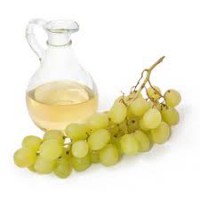
Grapeseed (Vitis Vinifera (Grape) Seed Oil)

Extracted from the seeds of grapes, this is rich in linoleic acid and acts as an emollient and antioxidant (high in vitamin E).  Linoleic acid is an unsaturated EFA that is found in skin lipids like ceramides and cholesterol which protects the skin barrier function, prevents the drying of  skin and soothes.  It’s ideal for massage oil since it glides well on skin.

jojoba oil

Jojoba (Simmondsia Chinensis (Jojoba) Seed Oil)

From the  jojoba plant and known for resembling sebum (oil found on your face), jojoba oil moisturizes, reconditions the skin and provides barrier potection. Interestingly, jojoba oil is thought to balance oil production which could be great news for people with oily skin.  The tocopherol content provides excellent antioxidant activity. *Note: Sometimes only small amounts are needed to reap the benefits so tread lightly if you apply the oil straight to your face.  It might be best for those with oily skin to look for skincare products formulated with this ingredient instead.

OLIVEOIL

Olive (Olea Europaea (Olive) Fruit Oil)

Olive oil is rich in vitamin E and antioxidants which help repair and renew skin from oxidative stress, soothes inflammation, smoothes the skin and helps maintain skin elasticity.

In hair, olive oil doubles both as a deep conditioner and dandruff controller, and when rubbed on nails, it helps cuticles stay plump and hydrated while producing a natural shine.

sunflower

Sunflower (Helianthus Annuus (Sunflower) Seed Oil)

Produced from sunflower seeds, sunflower oil replenishes and restores the skin with nourishing fatty and amino acids.  Amino acids supply nutrients to nourish the skin, which in turn strengthens connective tissue and keeps the skin smooth.  Sunflower oil also increases moisture retention (great for dry skin!) and provides natural barrier protection.


sweet almond

Sweet Almond Oil (Prunus Amygdalus Dulcis (Sweet Almond) Oil)

This oil contains high levels of oleic acid and unsaturated triglycerides provide moisture to skin that is easily absorbed into the skin. Oleic acid, found naturally in vegetable and animal oils, is high in unsaturated omega-9 fatty acids, providing emolliency and a soothing factor to skin.

In hair, it adds shine and purportedly controls hair fall.


Bottom Line: Although the benefits of these oils are superb, it may not work the same for everyone.  You may find that some oils dry out your hair instead of  smoothing them or they work wonders for your body but can wreck havoc on your face.  ‘Natural’ can be great but isn’t exempt from producing adverse reactions so use with caution.

Have you tried any of these oils?  What was your experience like? 

CATEGORIES // Aging, Skin Care, Skin Care Ingredients

You Want Me To Use An Acid On My Face?

July 3, 2014

HA2

Back when I was taking my esthetics course, or beauty school as some may recognize it, we had a department open house in which people were welcome to stop by and learn about the services we provided.  We conducted a complimentary skin analysis and invited them to come back and experience a facial that would suit their skin needs. I remember one lady who asked me what I recommended for her combination skin to which I suggested a moisturizer or serum that contained hyaluronic acid.

The look of sheer horror she expressed followed by, “You want me to use an acid on my face?” is something I won’t forget.  I quickly explained that this ingredient was nothing like the battery acid found in a car or those in chemical peels but rather an excellent way to introduce hydration into the skin- she looked relieved.  Nevertheless, perhaps you’ve heard about this ingredient and thought the same thing so here’s the scoop on what makes this ingredient so coveted.

Who: Hyaluronic Acid (HA)

What it is: A glycosaminoglycan (GAG)/humectant that attracts moisture to your skin cells.  It increases the water content in the epidermis by drawing moisture from surrounding air.

Where it’s found: HA is a substance that is naturally found in our bodies.  It cushions and lubricates our joints, eyes and connective tissues.

Look for hyaluronic acid and sodium hyaluronate in skincare ingredients.  Popular fillers like Juvederm, Restylane and Perlane utilize HA as well.

Why it’s important:  As we age, our natural production of HA declines.  HA serves an important role in cell protection, lubrication and maintenance of connective tissue.  It also helps retain moisture  in skin since it can hold 1000 times its weight in water.  Think of it like a drink of water for your skin.  When your skin is dehydrated or dry, our complexion can look aged and feel tight.

How it affects the skin:  HA gives turgor and elasticity to the skin.  Increased water in the skin is the easiest way to reduce the appearance of wrinkles, by plumping up fine lines and wrinkles.  This leads to a more youthful appearance, making it a great anti-aging treatment.  Because it is not an oil, it is virtually ideal f for all skin types, including acne.

Hyaluronic acid doesn’t sound that bad now after all, right?  


CATEGORIES // Aging, Skin Care, Skin Care Ingredients

What's Your Type?

May 8, 2014

Our skin types are genetically determined.  However, to the joy of some and the dismay of others, they can change over time, or you can have a combination of several all at once.  Dry skin and a few breakouts here and there?  Yup.  As weird as it sounds, it can happen.

Do you know your skin type(s) or do you just recall what someone once told you your skin type was and have clung to that notion ever since?

Here are six common skin types and their characteristics to help you determine-or at least give you an idea of- of what would be beneficial to your skin.

normal skin

Normal

Normal skin (oh the lucky ones!) has a good oil-water balance and is soft and plump.  It has a healthy glow and color, with fine texture, small pores and no congestion .  Maintenance and preventative care are your main goals.

combination skin

Combination

I personally fall into this category and let me tell you, it can be gosh darn frustrating.  Combination skin is characterized by an oily T-zone (forehead, nose, and chin) while the cheeks tend to be on the dry side, causing a flaky appearance.  The goal is to control areas prone to oiliness while moisturizing areas that are dry, and to keep skin well exfoliated to help combat breakouts and dryness.

oily skin

Oily

Oily skin is characterized by an all over greasy shine, visible pores, coarser skin texture (akin to that of  an orange), little wrinkling (silver lining, no?), blackheads/whiteheads, breakouts.  Controlling sebum production, and clearing out the pores is key.  Ingredients like hyaluronic acid and glycerin are good at providing hydration.

acne

Acne

Not just for teenagers anymore as the number of adult acne is rising.  Symptoms range from blackheads/whiteheads, breakouts, painful cysts, inflammation and sensitivity .  Causes of acne can be genetic or a hormonal imbalance.  Deep cleansing facials, proper home regimen and soothing the skin are goals. Avoid excessive or harsh cleansers as it can make acne worse.

dry skin

Dry

If the Sahara desert would be envious, then you probably have dry skin.  Where oily skin produces a mass amount of oil, dry skin doesn’t produce enough. Visible dryness, small pores, tightness,and a propensity to wrinkles are indicators of dry skin.   Cleansing creams or milky cleansers are ideal as they don’t strip the skin while ingredients like shea butter or borage seed oil are great moisturizers.

sensitive

Sensitive

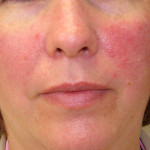
Sensitive skin is identified by fragile, thin, red skin that has an impaired barrier function and more reactive capillaries. It’s easily irritated by products (even sometime water) and exposure to heat and sun.  Avoid excessive rubbing, heat, exfoliation, or extractions.  Use calming, soothing ingredients like aloe vera, panthenol (pro-vitamin B-5), bisabolol, and niacinamide.

Has your skin type been consistent or has it undergone major changes throughout the years? 


CATEGORIES // Men's Skin Care, Skin Care, Skin Care Ingredients

Shine On…Just Maybe Not Too Much

May 1, 2014

oil

Oh, oil.

You can be a dry skin type’s best friend by creating an ethereal glow and an oily skin type’s worst enemy causing us to look like one hot mess.  While oil is a natural substance found in our skin that helps keep skin supple, too much of it can cause problems such as acne and blackheads.

Aside from genetics, there are other factors that can contribute to less than a desirable amount of oil production.

Causes

Genetics, of course

Yup, you can thank your ancestry for this one as skin types are determined by your genes.  There is a chance however, that your skin type may change with age.

Hormones/Stress

There is a reason why the majority of breakouts occur when you are a teenager.  Your sebaceous glands (glands that are charge of producing oil) are typically dormant before puberty, and spring into life after puberty. Hormones at this time are also raging out of control.  The adrenal glands produce testosterone in women, thereby increasing sebum production.

Continual chronic stress also increases hormone levels and also increased sebum levels.

Environment

Heat and humidity increase oil levels.  Individuals who work in kitchens or laundry mats or who live in hot and humid places can often find an increase in oil.

Harsh products/Not using a moisturizer  

Excessive drying of skin or not moisturizing the skin may cause the sebaceous glands to overcompensate by producing an excessive amount of sebum to replace the moisture lost.

Solutions 

Although you can’t really reason with genetics, figure out what your triggers are and read these options available to help keep sebum at bay.

Relax and slow down if stress seems to be the issue.  Take a small amount of time out of your day/night (even if it’s only one minute!) for yourself and do something you enjoy. Exercising, reading, meditating, and aromatherapy can work wonders.

Hydrate!  Humectants, which include glycerin, sorbitol, hyaluronic acid and sodium PCA, attract water (not oil) to the skin and cinnamon bark, borage seed oil, wheat germ oil, niacinamide, zinc glucanate, caffeine, enantia bark, yeast extract, horse chestnut and biotin can regulate oil production with regular use.

Stay balanced! Using a pH balanced cleanser, something that is NOT soap, can help keep you from over drying the skin. Cleansing your skin about twice a say should suffice, or you run the risk of over drying the skin as well. Those who have acne may want to be careful about over using ingredients such as benzoyl peroxide, which although can be great for acne, can also be very drying.

Nutrition  Zinc can help regulate oil glands.  Zinc rich foods include oysters, crab, liver, mushrooms and spinach.

Other Blotting tissues, using oil-free makeup, and certain primers can also keep shine to a minimum.

If you have oily skin, what product do you swear by? 


CATEGORIES // Skin Care, Skin Care Ingredients

To Shea!

March 10, 2014

shea butter

Suffering from eczema, psoriasis or dry skin?

Here is one topical ingredient that can improve and relieve symptoms associated with these skin conditions.

Who: Butyrospermum Parkii, or shea butter

What skin types/conditions it can help: Dry, aging, eczema and psoriasis               

Where it comes from: The nut of the karite tree which grows in Africa

Why it’s important: Rich in vitamins A and E (antioxidants) and vitamin F (an Essential Fatty Acid known as linoleic acid), shea butter protects the skin from free radicals, helps minimize the appearance of lines and wrinkles, and is a great emollient.  It also has soothing and nourishing properties

How it helps with dry, aging, eczema and psoriasis: Emollients maintain soft, smooth, pliable skin; remain on skin surface to act as a lubricant; reduce flaking; and improve appearance.  The soothing and nourishing aspects help repair the skin barrier.  Linoleic acid in skin care helps provide anti-inflammatory, moisturizing and healing support.

CATEGORIES // Skin Care Ingredients

The 'E' In Healthy Skin

March 4, 2014

Vitamin E

Dry and aging skin need not despair!  Vitamin E is excellent in smoothing away fine lines and wrinkles while keeping skin supple and providing a radiant glow.

Have oily skin? There is a silver lining to all that shine.

Read on to find out what vitamin E can do for you!

Who: Vitamin E

What skin conditions it can help: Aging.

Where it’s found: Foods high in vitamin E include vegetables, oils, seeds, corn, wheat germ and egg yolk.

For topical uses look for: Vitamin E, Tocopherol, Tocotrienols, Alpha-Tocopheryl Acetate, Tocopheryl Linoleate, Tocopheryl Succinate, Tocopheryl Nicotinate.

Why it’s important: Vitamin E is a fat-soluble vitamin, an antioxidant that quenches free radicals and is instrumental in wound healing.  It’s also the most abundant antioxidant found in human skin; however, it declines with exposure to UV rays, pollution and age.

How it affects the body and skin: Vitamin E is needed to prevent muscle weakness (atrophy), loss of muscle mass, abnormal eye movements, vision problems and unsteady walking.

Topical use of vitamin E smooths skin, prevents moisture loss (excellent for dry skin!), and can reach living cells, therefore increasing the effectiveness of sunscreen. Studies have shown it to reduce sunburn cells after UV exposure- but this isn’t a free pass to subject your skin to sunburns!

Vitamin E is naturally delivered to the skin’s surface through sebum (oil), providing nourishment for the skin, and could be a possible reason why oily skin types age better.  Combined use of vitamin E and vitamin C enhances these effects.

Have a favorite vitamin E product?  Do share!

Happy Tuesday!

Disclaimer: The contents on this website, and any related links, are provided for general informational purposes and should NOT be considered medical advice. The content is not intended to be a substitute for professional medical advice, diagnosis, or treatment. Never disregard professional medical advice or delay in seeking it because of something you have read here. Please consult a healthcare provider if you have any questions about a particular health condition.

CATEGORIES // Skin Care Ingredients

Ingredient Importan-C!

February 27, 2014

Vitamin C

Crazy weather and flu season usually sends us sprinting to our nearest pharmacy to stock up on vitamin C in hopes of strengthening our immune system.  Aside from boosting our immune system and hearing about collagen production, what else do you really know about vitamin C?  What health ailment did sailors endure because they lacked vitamin C and what role does it play in skincare?

Read on to find out!

Who: Vitamin C

What skin conditions it can help: Aging, hyperpigmentation.  Sensitive skin may tolerate it at lower percentages or as magnesium ascorbyl phosphate.

Where it’s found: Foods high in vitamin C include oranges, broccoli, strawberries, papaya, bell peppers and kiwis.

For topical uses look for: Vitamin C, Vitamin C ester, L-ascorbic acid, ascorbyl palmitate and magnesium ascorbyl phosphate.

Why it’s important:  Humans cannot synthesize vitamin C, which is why it has to be obtained by external sources (i.e. fruits and vegetables or through supplements). Vitamin C stimulates collagen synthesis which is needed for wound healing, and is also crucial for iron absorption. . It’s required for tissue growth and is a proven antioxidant, fighting free radicals that cause damage to healthy cells and DNA.

How it affects the body and skin: Oral vitamin C is needed to prevent scurvy, a disease which at one time plagued many sailors who only consumed cured and salted meats, and dried grains for extended periods of time. Scurvy has many skin manifestations including fragile skin, gum disease, easy bruising and bloody nail beds. Scurvy is reversed however, by adding vitamin C into the diet either through supplements or fresh citrus fruit.

Topical use of vitamin C results in a reduction of fine lines and wrinkles, promotes the formation of collagen- important for improved skin texture-  and protects the skin from photodamage, also known as UV damage. It can also reduce pigmentation due to its brightening properties.

Disclaimer: The contents on this website, and any related links, are provided for general informational purposes and should NOT be considered medical advice. The content is not intended to be a substitute for professional medical advice, diagnosis, or treatment. Never disregard professional medical advice or delay in seeking it because of something you have read here. Please consult a healthcare provider if you have any questions about a particular health condition.

CATEGORIES // Skin Care Ingredients

Who's "A" In Skincare?

February 25, 2014


vitamin A

Unlike the show Pretty Little Liars, where season after season the elusive “A” remains a mystery, here is one “A” that isn’t hard to find- no detective skills required.

Who: Vitamin A

What skin conditions it can help: Acne, aging, hyperpigmentation, psoriasis, and textural issues.

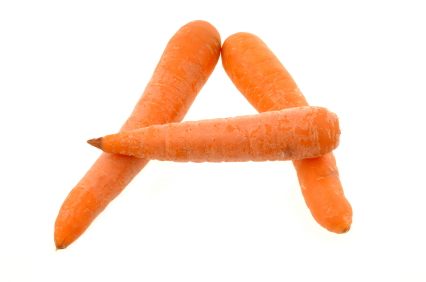
Where it’s found: Foods high in vitamin A include sweet potatoes, kale, carrots, mangoes, turnip greens, spinach and papaya.  Low fat and skim milk, margarine, and cereals are commonly enriched with vitamin A.

For topical uses look for: Vitamin A, retinol, retinoic acid, tretinoin, retinyl palmitate, retinyl actate. Popular prescription brands include Retin-A and Renova.

Why it’s important: Vitamin A is needed for cells to divide and mature, vision, embryonic development, immunity, growth, bone formation, reproduction and wound healing.  Vitamin A deficiency manifests itself as dry eyes, night blindness, diarrhea, and skin problems.

How it affects the body and skin: It’s an important antioxidant that protects your body from free radicals. Eating carotenoids from colorful veggies gives the skin a healthy glow. Carotenoids (beta-carotene), found in vegetables helps maintain and repair the skin. *Note: Because Vitamin A is fat-soluble, high amounts can lead to toxicity.

Vitamin A used topically is known as retinol, which speeds up cell turnover and stimulates collagen. Vitamin A can also reduce hyperpigmentation, inhibit enzymes from breaking down collagen, and resurfaces and rejuvenates skin by reducing fine lines and wrinkles, and rough patches.

Happy Tuesday!

Disclaimer: The contents on this website, and any related links, are provided for general informational purposes and should NOT be considered medical advice. The content is not intended to be a substitute for professional medical advice, diagnosis, or treatment. Never disregard professional medical advice or delay in seeking it because of something you have read here. Please consult a healthcare provider if you have any questions about a particular health condition.

CATEGORIES // Skin Care Ingredients

ACE Skin Health!

February 24, 2014

ACE

The adage, “You are what you eat,” holds true, especially when it comes to our skin.  Afterall, our skin is a mirror that reflects what is going on internally as well as externally in our bodies.  Proper nutrition is not only vital in keeping us functioning properly but it also helps us radiate beauty from the inside out.

There are 13 essential vitamins that are needed for the body to function, which include vitamin A, vitamin C, vitamin D, vitamin E, vitamin K, and vitamins B1, B2, B3, B5, B6, B7, B9, and B12. Vitamins are grouped into two categories: fat-soluble and water-soluble.  Fat-soluble vitamins (A, D, E and K) are stored in the body’s fatty tissue and can lead to toxicity if consumed in high amounts.  Water-soluble vitamins are used by the body right away, and any left over water-soluble vitamins leave the body through the urine.

In regards to topical application, vitamins absorb into the skin like a sponge. Vitamins A, C, and E seem to have garnered the most interest from skincare companies to makeup lines.  How many times have you seen that ‘X’ product now contains vitamin C to help brighten skin and help combat hyperpigmentation?  Even when taking vitamin supplements, you can’t help but notice the various beauty benefits purported on the labels.

So what makes ACE important in the skin care realm and overall health?

Stay tuned this week to learn the individual beauty benefits of this triad!

Disclaimer: The contents on this website, and any related links, are provided for general informational purposes and should NOT be considered medical advice. The content is not intended to be a substitute for professional medical advice, diagnosis, or treatment. Never disregard professional medical advice or delay in seeking it because of something you have read here. Please consult a healthcare provider if you have any questions about a particular health condition.

CATEGORIES // Skin Care Ingredients

  • « Previous Page
  • 1
  • …
  • 4
  • 5
  • 6
  • 7
  • Next Page »

Subscribe to Stephie Estie via Email

Enter your email address to subscribe to this blog and receive notifications of new posts by email.

MEET THE BLOGGER

MEET THE BLOGGER
  • Bloglovin
  • Facebook
  • Instagram
  • Pinterest
  • Twitter

LOOKING FOR SOMETHING?

CATEGORIES

  • Advanced Education
  • Aging
  • Hair
  • Makeup
  • Makeup Looks
  • Men's Skin Care
  • Monthly Favorites
  • Motivational
  • Nutrition/Skin
  • Personal
  • Product Reviews
  • Product Reviews: Make-Up
  • Self-Care
  • Skin Cancer
  • Skin Care
  • Skin Care Ingredients
  • Skin Tips
  • Skin Treatments
  • Subscription Boxes
  • Sunscreen
  • Uncategorized
  • UVR
  • Wellness

ARCHIVES

POPULAR POSTS

Native Deodorant Review!

Native Deodorant Review!

Fenty Beauty Gloss Bomb Review!

Fenty Beauty Gloss Bomb Review!

Merry Christmas 2017!

Merry Christmas 2017!

Christmas Gift Guide 2017!

Christmas Gift Guide 2017!

Facebook Page

Facebook Page

Follow me on Twitter

My Tweets
This error message is only visible to WordPress admins

Error: No feed found.

Please go to the Instagram Feed settings page to create a feed.

- THEME BY ECLAIR DESIGNS -